Prepared and edited by Jacob Agyei Twumasi, CA
This edition highlights five developments with immediate implications for Ghanaian businesses, development partners and healthcare leaders.
1. Ghana’s 20% fruit-juice excise duty ends on 1 October

Date: 12 September 2026
Source: Business & Financial Times
Summary: The 20% excise duty on locally manufactured fruit juices is expected to be removed from 1 October 2026. The change should reduce a significant tax burden on domestic processors and improve their ability to compete with imports.
Jacob’s analysis: The benefit will not be automatic. Manufacturers must decide how much of the tax saving to pass to customers, how much to retain for margin recovery and how much to invest in capacity, distribution and working capital. ERP tax codes, price lists, distributor agreements and October inventory treatment also need to be updated before the effective date.
Action/opportunity: BRICS Africa Consulting can offer an Excise Transition and Growth Review for juice processors and distributors, combining tax implementation, repricing, margin modelling, ERP configuration and growth-finance planning.
2. Bank of Ghana backs intelligence-led financial-crime investigations

Date: 11 September 2026
Source: Business & Financial Times
Summary: The Bank of Ghana is supporting a more structured, intelligence-led approach to financial-crime investigations as the growth of digital transactions drives increased fraud across Ghana’s financial ecosystem.
Jacob’s analysis: The message extends beyond banks. SMEs, professional firms and health facilities increasingly receive money through mobile money, POS terminals, online banking and payment links. Weak reconciliation, shared credentials, delayed exception reporting and poor audit trails can turn digital convenience into financial loss and reputational damage.
Action/opportunity: Package a Digital Payments Fraud and Controls Assessment covering user access, transaction approval, daily reconciliation, exception analytics, incident response and staff awareness. Franklyn Medical Centre should apply the same review to its cash, MoMo, POS and bank workflows.
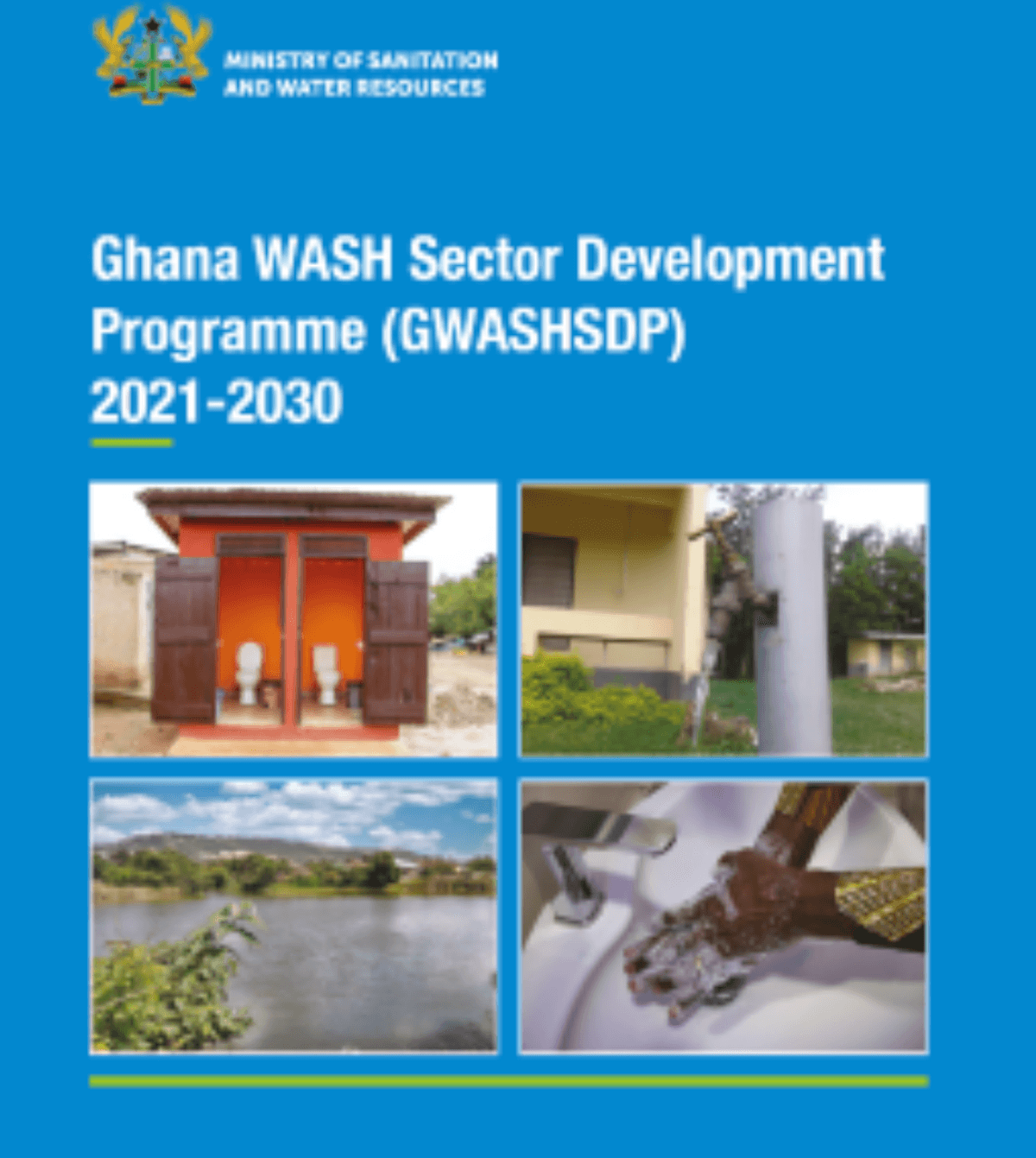
3. Ghana faces a US$1.7bn annual WASH financing gap
Date: 11 September 2026
Source: Business & Financial Times
Summary: Ghana requires an estimated additional US$1.7 billion each year to meet its water, sanitation and hygiene targets by 2030, while fiscal constraints continue to place essential services under pressure.
Jacob’s analysis: A gap of this size cannot be closed by the public budget alone. It points to a pipeline need for bankable projects, blended finance, public-private partnerships, grant proposals, municipal revenue models and credible monitoring of results. Those are consulting and research opportunities as much as infrastructure needs.
Action/opportunity: BRICS and CCEDR should develop a WASH Project Development and Finance Support offer covering feasibility studies, financial models, funding proposals, stakeholder engagement, procurement support and monitoring dashboards.
4. NCDs are becoming a productivity and employer-cost problem

Date: 11 September 2026
Source: Business & Financial Times
Summary: The Ministry of Health warns that non-communicable diseases are a growing public-health and economic challenge. At least one in five Ghanaians has elevated blood pressure, while the food industry is being urged to reduce salt and sugar.
Jacob’s analysis: NCDs affect employers through absenteeism, reduced performance, insurance costs and late-stage medical claims. For healthcare providers, the opportunity is to shift from episodic treatment to recurring prevention, screening, follow-up and data-supported risk management.
Action/opportunity: Franklyn Medical Centre can launch a Corporate NCD Risk and Wellness Programme offering workplace screening, risk stratification, referral, follow-up and anonymised management reporting, supported by BRICS-designed dashboards and financial models.
5. African health manufacturers prepare to meet in Addis Ababa

Date: 11 September 2026
Event opens: 26 October 2026
Source: Business & Financial Times
Summary: The Third African Healthcare Manufacturing Trade Exhibition and Conference will convene in Addis Ababa under the theme “Industrialise to Commercialise,” bringing together manufacturers, policymakers, investors and health-sector partners.
Jacob’s analysis: African healthcare localisation is moving from policy discussion toward commercial partnerships. Ghanaian providers and advisors should use the opportunity to identify reliable suppliers, local-distribution arrangements, investment opportunities and technologies that reduce import dependence and strengthen supply resilience.
Action/opportunity: Assess attendance or remote business matching now and prepare a Ghana Market-entry and Distributor-readiness offer for participating manufacturers. FMC should compile a priority procurement list to guide targeted supplier conversations.
Jacob’s three priorities for today
- Prepare for the 1 October excise change: create a one-page advisory and approach Ghanaian juice processors with the Excise Transition and Growth Review.
- Productise the WASH opportunity: draft a two-page BRICS/CCEDR capability note for feasibility, financing, proposals and monitoring.
- Open two healthcare conversations: package FMC’s corporate NCD programme and identify manufacturers to engage ahead of the Addis Ababa conference.
Author note: Jacob Agyei Twumasi, CA is a Chartered Accountant, finance and tax intelligence strategist, cybersecurity consultant and founder of BRICS Africa Consulting. His work spans strategy, finance, technology, enterprise development and healthcare financial management.
Editorial note: This briefing synthesises credible public sources and adds independent professional analysis, business implications and recommended actions. Digital research tools may support research and editing, while final editorial responsibility rests with Jacob Agyei Twumasi. It is an intelligence and advisory publication—not a claim of original news reporting.